PREMIER DRIVING ACADEMY

NAVEEN DRIVING SCHOOL

"Expert Training. Professional Service. Unmatched Safety."

Our Professional Services

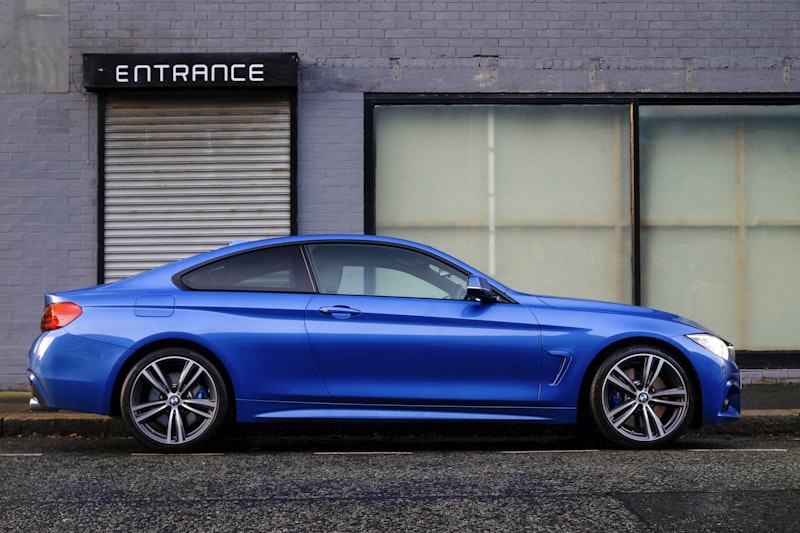
Naveen Driving School Training Car

Expert Training for Modern Roads

At Naveen Driving School, we provide top-tier driving education tailored to your needs. Our structured courses ensure you don't just get a license, but gain the skills to navigate any road condition safely.

  • Road Safety Experts

    In-depth knowledge of traffic rules and defensive driving techniques.

  • Confidence Building

    Patient instruction to overcome driving anxiety and fear.

  • Practical Learning

    Hands-on experience in various traffic conditions and terrains.

Important Rules for Freshers

Mastering these fundamentals is the first step towards becoming a licensed professional.

Seat Belt is Mandatory

Always wear your seat belt before starting the engine. It's your primary safety gear.

Respect Traffic Signals

Red means stop. Yellow means slow down. Green means go only if safe.

No Mobile Phones

Never use your phone while driving. Pull over if you need to make a call.

Safe Distance

Maintain a 2-second gap from the vehicle in front of you to allow braking time.

Check Your Mirrors

Check rear-view and side mirrors every 5-8 seconds to be aware of your surroundings.

Use Hand Signals

Know your hand signals. They are crucial if your indicators fail or for extra visibility.

Driving Tips & Blogs

Click on any card to reveal expert driving advice.

Parallel Parking
Safety

How to Conquer Parallel Parking

Parallel parking is often the most feared part of the driving test. Here is the secret...

Parallel parking doesn't have to be a nightmare. It is purely a game of reference points and geometry. Start by pulling up perfectly parallel to the car in front of your chosen spot, leaving about 2-3 feet of space between your cars. Align your rear bumper with theirs. Shift into reverse and check your blind spots. Turn your steering wheel all the way to the right and begin reversing slowly. Stop when you can see the entire front of the car behind you in your left side mirror. Now, straighten your wheel and reverse straight back until your front bumper clears the rear bumper of the car in front. Finally, turn your wheel fully to the left to swing your car into the space. Adjust as necessary to be parallel with the curb. Practice this sequence until it becomes muscle memory.

Car Checks
Maintenance

Basic Car Checks Every Driver Should Know

Before long trips, ensure you check your oil, water, and tyre pressure.

A responsible driver knows their vehicle inside and out. Regular maintenance checks are essential for safety and longevity. First, check your engine oil using the dipstick; the oil level should be between the minimum and maximum marks, and the oil should be golden, not black and sludgy. Second, inspect your coolant levels to prevent overheating, especially in Indian summers. Third, tire health is critical—check the pressure regularly (don't forget the spare!) and look for tread wear. Worn tires significantly increase stopping distance. Finally, check all your lights—headlights, indicators, and brake lights. It’s often helpful to have someone stand outside the car while you test them. These simple checks take only minutes but can save you from a breakdown or a dangerous accident on the highway.

Night Driving
Tips

Tips for Night Driving

Driving at night requires extra vigilance due to reduced visibility.

Night driving presents unique challenges that every driver must be prepared for. The most obvious danger is reduced visibility. Your depth perception, color recognition, and peripheral vision are all compromised in the dark. To combat this, ensure your headlights are clean and aimed correctly. Use high beams only when there is no oncoming traffic to avoid blinding other drivers. If an oncoming car has bright lights, look toward the left edge of your lane (in India) to avoid the glare while maintaining your lane position. Fatigue is another major factor at night; if you feel drowsy, stop immediately and rest. Also, increase your following distance. It is harder to judge the speed of cars ahead of you at night, so give yourself extra time to react to sudden stops.

Rain Driving
Weather

Driving in Heavy Rain

Wet roads are slippery. Learn how to avoid hydroplaning.

Driving in the rain requires a complete shift in your driving mindset. The roads become slippery as oil and dust mix with water, creating a dangerous film. The most critical rule is to slow down. Speed limits are set for ideal dry conditions, not wet ones. Hydroplaning occurs when your tires lose contact with the road and skim on top of the water; if this happens, do not slam on the brakes or jerk the steering wheel. Instead, ease off the accelerator and keep the steering wheel straight until you regain traction. Turn on your headlights to make yourself visible to others, but avoid using high beams as they can reflect off the rain and reduce visibility. Finally, avoid driving through large puddles where you cannot see the bottom, as deep water can stall your engine.

Dashboard Lights
Basics

Understanding Dashboard Lights

What does that engine symbol mean? Don't ignore warning lights.

Your car communicates with you through dashboard lights, and understanding this language is vital. These lights are color-coded. Red lights indicate a severe issue that requires immediate attention; this could be low oil pressure, an overheating engine, or a brake system failure. If you see a red light, pull over safely and turn off the engine immediately. Yellow or Orange lights serve as warnings; something needs repair or inspection soon, such as the Check Engine light or ABS warning. You can usually drive to a mechanic, but don't delay. Green or Blue lights simply indicate that a system is active, like your headlights or indicators. Never ignore a warning light hoping it will go away. Addressing these issues early prevents expensive repairs and keeps your vehicle safe to drive.

Highway
Advanced

Merging onto Highways

Merging can be scary. The key is matching speed.

Merging onto a fast-moving highway is one of the most intimidating maneuvers for new drivers, but physics is on your side if you use it correctly. The purpose of the entrance ramp (acceleration lane) is to let you build up speed to match the flow of traffic. Do not stop at the end of the ramp unless absolutely necessary! Check your mirrors and blind spot early to identify a gap in the traffic. Turn on your indicator well in advance. As you accelerate, adjust your speed relative to the gap you are aiming for. If the traffic is moving at 80 km/h, you should be too. Once you are up to speed and aligned with the gap, merge smoothly into the lane. Confidence and decisive action are key to a safe merge.

What Our Students Say

"The teaching at Naveen Driving School is absolutely super! The instructors are very patient and explain everything clearly. I got my license on the first try!"

R

Rahul Kumar

Student

"Very friendly and professional environment. They helped me build confidence on main roads. Highly recommended for freshers."

P

Priya S.

Student

"Easy to understand classes. The practical sessions were very thorough. I learned not just to drive, but to drive safely."

K

Karthik Raja

Student

"Best driving school in the area. Professional approach and they stick to the schedule. Thank you for the great experience!"

A

Anita Devi

Student

Get In Touch

Ready to start your journey? Contact us today for admission and inquiries.

Call Us

98415 29008

Location

Sri Naveen Driving School
Chennai, Tamil Nadu

Email Us

info@naveendriving.com

Locate Us

© 2024 Naveen Driving School. All Rights Reserved.